

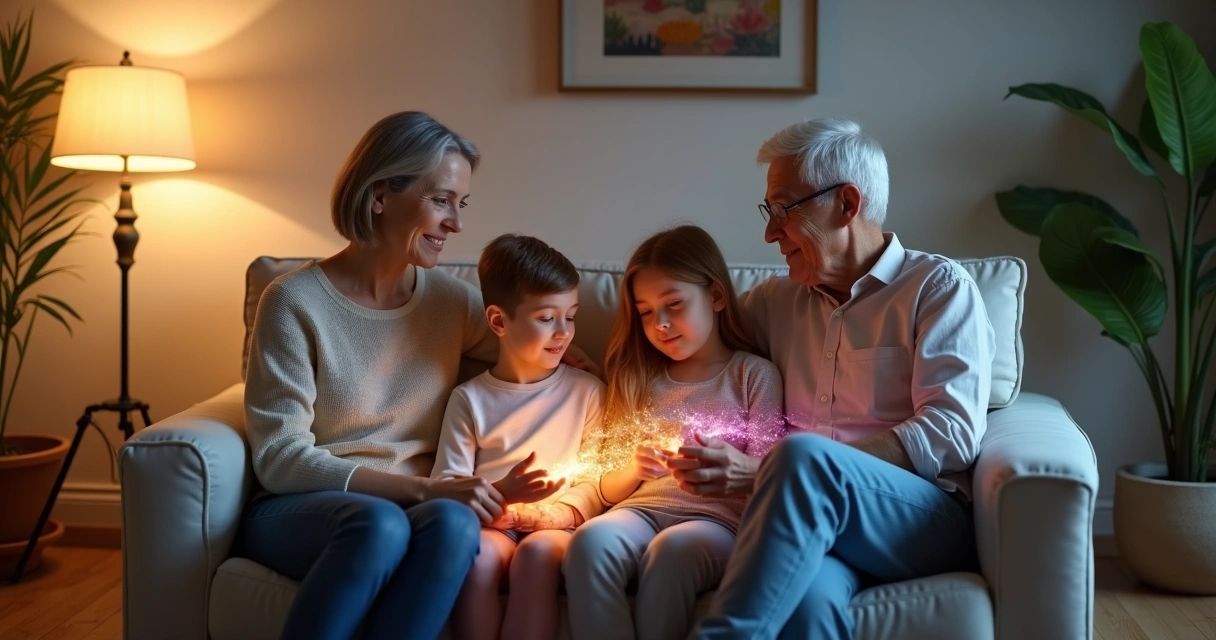
We all know this feeling. We walk into a room, and before anyone says a word, we sense the tone. The air feels light, tense, cold, or calm. In families, this happens every day. Moods move from one person to another, often in silence. Over time, those repeated emotional exchanges shape the home itself.
Energy resonance in families is the way emotions spread, settle, and influence the behavior of everyone in the home.
We do not mean magic. We mean the very real effect of tone of voice, facial expression, body tension, pauses, and emotional memory. A family is not just a group of people sharing space. It is a shared emotional field. What one person carries can affect all.
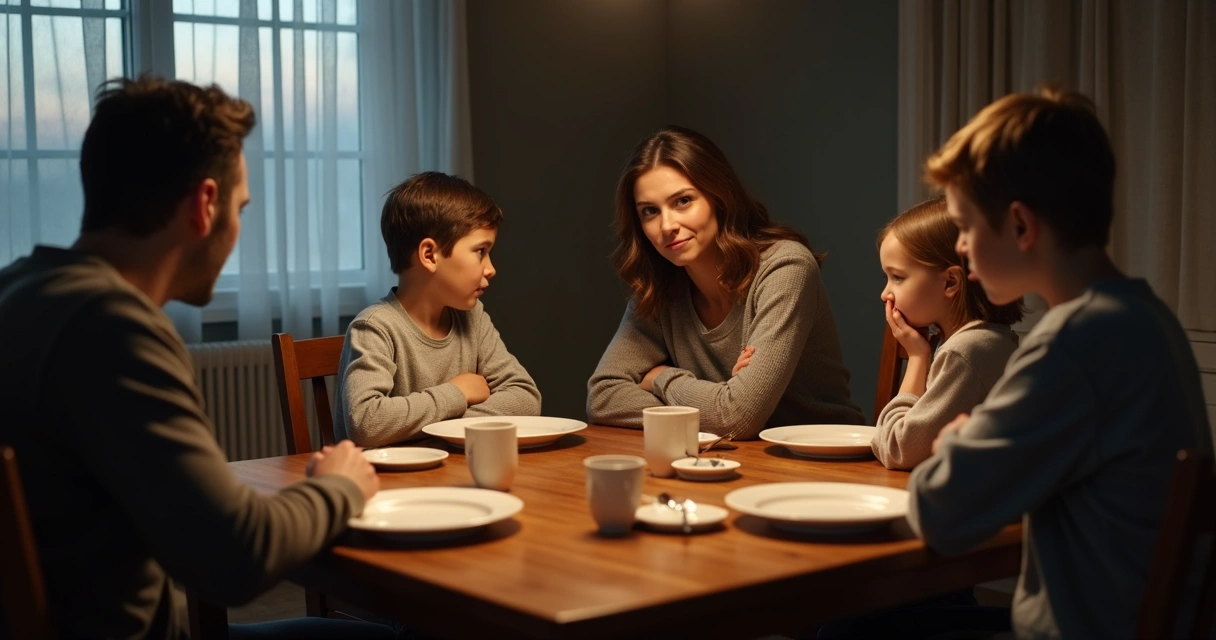
We have seen it in ordinary moments. One parent comes home drained and distant. A child becomes more reactive. The other adult gets quiet. Dinner feels heavy. Nothing dramatic happened, yet the whole house changed. That is resonance.
One mood can change a whole evening.
Why shared moods spread so fast
Human beings are built for connection. We read each other all the time. We notice rhythm, posture, eye contact, and breath without trying. In close relationships, this sensitivity grows even stronger because we are emotionally invested in one another.
In family life, repeated contact makes emotional transfer more likely. We learn each other’s signals. A slammed drawer, a short reply, or a long sigh can say more than a speech. Then the body reacts first, and the mind explains later.
Families often absorb emotion before they understand it.
This is one reason moods seem contagious at home. The family system is close, familiar, and exposed. If one person lives in fear, irritation, or sadness for long periods, others adjust around it. Some become caretakers. Some withdraw. Some act out what no one is naming.
This pattern matters even more when the mood is ongoing. Research linking maternal depressive symptoms to lower school performance and stronger socioemotional problems in children shows that even mild parental distress can leave marks on learning and behavior over time. We should not read this with blame. We should read it with honesty. Mood has social force inside a home.
How family energy becomes a pattern
A single bad day does not define a household. What shapes family dynamics is repetition. When the same emotional tone returns again and again, the family starts to organize around it.
We may notice patterns such as:
One person becomes the peacemaker and avoids conflict at all costs.
One child becomes louder because tension is never spoken openly.
Another family member disconnects and stays emotionally hidden.
Simple conversations turn defensive because everyone expects stress.
After a while, these reactions can feel normal. That is what makes them hard to see. The emotional climate becomes the background of daily life.
We think many families are not dealing only with events. They are dealing with emotional residue. Yesterday’s frustration enters today’s breakfast. Last month’s grief appears in a small argument about dishes. The mood may change form, but its charge remains active until it is faced.
What positive resonance looks like
Shared mood is not only a problem. It can also support healing. Calm spreads too. So does humor. So does patience. A grounded person can help regulate a whole room, not by control, but by presence.
We have all felt the difference when one person speaks softly during a tense moment. Breathing slows. Faces soften. Words become clearer. The conflict may still exist, but its force drops.
Positive resonance often grows through small, repeatable acts:
Greeting each other with attention instead of distraction.
Pausing before reacting when emotions rise.
Naming the mood in simple words, without accusation.
Creating routines that signal safety, like shared meals or short check-ins.
A peaceful home is built by repeated emotional signals of safety.
This does not mean pretending to be cheerful. Forced positivity creates more pressure. Real positive resonance comes from emotional truth with steadiness. We can be tired and still kind. We can be upset and still respectful. That balance teaches trust.
How to interrupt negative cycles
When a family is caught in shared tension, the first step is not fixing others. It is noticing what we are adding to the field. That can be uncomfortable. Still, it changes everything.
We suggest a simple sequence:
Pause long enough to notice the emotional tone in the room.
Name what we feel without turning it into blame.
Lower intensity before trying to solve the issue.
Return to the conversation when the body is calmer.
This may sound basic, but it works because family mood often escalates through speed. Fast reactions feed fast reactions. A pause breaks the chain.
We also think homes need emotional boundaries. Not every feeling must dominate the whole house. Adults, in particular, can learn to say, “I am stressed, but I do not want to spread it.” That sentence alone creates awareness and care.
Children benefit when they see repair. They do not need perfect parents or perfect homes. They need signs that rupture can be addressed. An apology, a calmer second conversation, or a quiet moment of reconnection can reset a lot.
Repair restores trust.

What children learn from the emotional climate
Children do not only listen to what a family says. They learn from what a family radiates. If the home carries chronic criticism, children may learn to stay guarded. If the home carries respect and openness, they often learn to express themselves with less fear.
We should be careful here. This is not about making families feel guilty. It is about seeing that atmosphere teaches. Emotional climate becomes inner structure. Many adults can trace their current responses to the tone of the homes they grew up in.
In our view, one of the healthiest gifts a family can offer is coherence. If we say “you are safe” but act unpredictable, the body trusts the action more than the words. If we say “tell the truth” but punish honesty, silence grows.
Children trust repeated emotional experience more than spoken advice.
Conclusion
Family life is shaped by more than schedules, duties, and roles. It is shaped by emotional transmission. Shared moods become shared habits, and shared habits become the culture of the home. When we understand this, we stop treating feelings as private events with no wider effect.
We begin to see that every tone, pause, and response helps build the family field. Heavy moods can narrow that field. Calm presence can widen it. Honest repair can clear it. Over time, these choices shape how loved, safe, and understood people feel under the same roof.
If we want healthier family dynamics, we need more than good intentions. We need emotional awareness in action. That is where resonance changes. That is where home changes too.
Frequently asked questions
What is energy resonance in families?
Energy resonance in families is the spread of emotional states from one person to another through daily interaction. It includes mood, tone, tension, calm, and emotional habits that influence the whole household. It is not only what people say, but how they feel and how that feeling affects others.
How do moods affect family dynamics?
Moods affect family dynamics by shaping reactions, communication, and trust. A tense mood can make people defensive, withdrawn, or reactive. A calm mood can make listening easier and conflict less intense. When a mood repeats often, family members may start to adapt their roles and behavior around it.
Can shared moods improve relationships?
Yes, shared moods can improve relationships when the emotional tone supports safety, respect, and openness. Calm presence, patience, and warmth can spread through a home just as fast as stress can. Over time, this helps family members feel more connected and more willing to communicate honestly.
How to handle negative energy at home?
We can handle negative energy at home by slowing the moment down, naming feelings clearly, and avoiding instant blame. It helps to pause before reacting, speak in a steady tone, and return to hard topics when emotions are less intense. Repair also matters. A sincere apology or a calmer second talk can shift the atmosphere.
What are tips for positive family energy?
Helpful tips include greeting each other with attention, keeping routines that create stability, listening without interrupting, and speaking honestly without harshness. It also helps to protect rest, reduce constant tension, and make space for simple moments of warmth. Small steady actions often shape the emotional climate more than dramatic gestures.