


We all say we want to live with integrity. Still, many of us know the uneasy feeling of ending a day and thinking, “This is not quite how I meant to live.” That gap matters. It shapes our peace, our trust in ourselves, and the kind of impact we leave in our homes, work, and relationships.
Values-action alignment means our daily choices reflect what we say matters most to us.
This sounds simple. In real life, it rarely is. We may value honesty, but avoid a hard talk. We may value health, but keep feeding stress. We may value presence, but give our best attention to screens while the people near us receive what is left.
What we repeat becomes who we are.
In our experience, alignment is not a fixed state. It is a practice. We do not “achieve” it once and move on. We track it, correct it, and return to it with humility.
Why alignment is harder than it looks
Most people do not act against their values on purpose. Misalignment often comes from speed, pressure, habit, and self-justification. We tell ourselves a rushed choice is temporary. Then it becomes normal.
We have seen this in ordinary moments. A person says family comes first, yet answers work messages through dinner. A leader speaks about respect, yet listens only when there is agreement. A friend says truth matters, yet hides resentment to avoid discomfort. Nothing looks dramatic from the outside. But inside, something starts to split.
Misalignment often begins in small repeated exceptions, not in major failures.
This is why tracking matters. Without a way to observe ourselves, we confuse intention with action. We think we are living by our values because we agree with them in theory.
Start with a short values map
Before we can track alignment, we need clarity. Not a long list. Not abstract ideals copied from somewhere else. Just a few values we can actually recognize in behavior.
We suggest choosing three to five values and defining each one in plain words. For example:
Honesty: We speak truth with respect, even when it is uncomfortable.
Presence: We give full attention to the person or task in front of us.
Responsibility: We own our choices and repair harm when needed.
Health: We care for sleep, food, movement, and emotional balance.
The key is behavior. If a value cannot be seen in action, it will be hard to track.
We also need to rank these values. That part can feel uncomfortable, but it brings truth. When two values seem to clash, rank helps us see what we really protect first.

Turn values into daily indicators
Once values are clear, we need indicators. These are small signs that show whether we are in alignment. They should be direct and observable.
For example, if we value presence, our indicators might be:
We do not check the phone during meals.
We finish one task before jumping to another.
We listen without planning our reply.
If we value responsibility, our indicators might be:
We admit mistakes without shifting blame.
We follow through on what we promise.
We review the effect of our words after hard conversations.
Tracking works better when values are translated into visible habits.
This step removes vagueness. Instead of asking, “Did we live well today?” we ask, “Did we do the specific things that express what we claim to value?”
Use a simple daily review
We do not need a complex system. In fact, very detailed systems often collapse after a week. A short review is usually enough if we do it with honesty.
At the end of the day, take five minutes and note:
Which value did we honor well today?
Where did we drift out of alignment?
What triggered that drift?
What is one repair or correction for tomorrow?
We have found that this kind of review changes the tone of self-observation. It becomes less about guilt and more about pattern recognition. After several days, common triggers appear. Fatigue. Fear of conflict. Need for approval. Hurry. These patterns tell a deeper story than one bad day ever could.
For those who like numbers, a simple score from 1 to 5 for each value can help. Still, the score alone is not enough. The short note beside it is where meaning lives.
Track patterns across roles
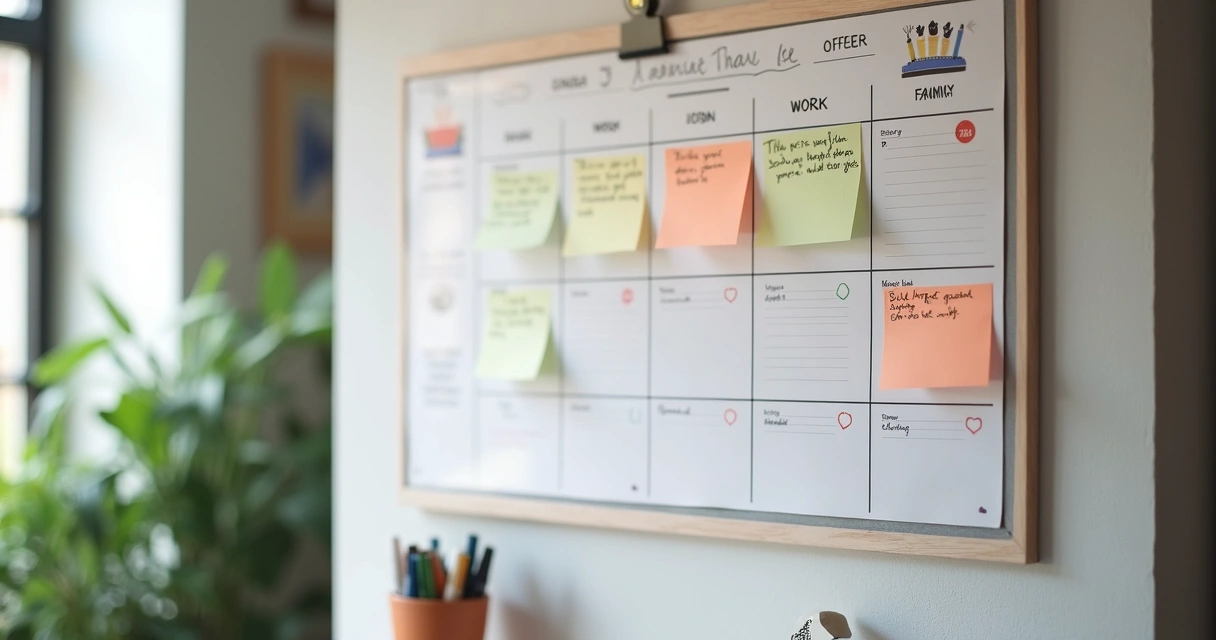
Many people feel aligned in one part of life and split in another. We may be patient at work and harsh at home. Or caring with friends and careless with our body. This is why we suggest tracking by role at least once a week.
Consider these areas:
Personal life
Work or service
Family
Friendships
Inner life and self-care
Then ask where each value is strong, weak, or inconsistent. This matters in group settings too. Research on value alignment in organizations shows that when personal and shared values are closer, people tend to show stronger commitment and are less likely to withdraw. We think this applies not only to workplaces, but to any human system. Where values and actions match, trust grows.
Notice emotional signals
Tracking alignment is not only about behavior. Emotion gives data too. When we act against our values, the body often reacts before the mind forms a clear explanation. Irritation rises. We feel numb. We become defensive. We avoid silence because silence might show us what we already know.
This does not mean every hard feeling signals misalignment. Some right actions are uncomfortable. Telling the truth can raise fear. Setting a boundary can bring sadness. The question is different: does the discomfort come from growth, or from self-betrayal?
We can learn a lot by asking:
Did this action leave us clearer or more divided?
Did we feel expanded afterward, or inwardly reduced?
Would we be at peace if this became a daily pattern?
Inner tension is often data.
Build repair into the process
No one stays aligned all the time. The point is not moral perfection. The point is quicker return. A good tracking system includes repair.
Repair may look like an apology, a boundary, a changed routine, or a delayed conversation we finally choose to have. It may also mean adjusting our calendar so our schedule stops contradicting our stated priorities.
One of the clearest signs of maturity is this: we stop defending the gap and start tending to it.
Conclusion
Tracking alignment between values and daily actions is a way of becoming more whole. It helps us see whether our life is being shaped by conscious choice or by unconscious drift. With a short values map, clear daily indicators, and honest review, we can reduce the distance between what we believe and how we live.
Alignment is not proven by what we admire, but by what we repeat each day.
When we track that with sincerity, change becomes more grounded. Not dramatic. Not performative. Real.
Frequently asked questions
What is values-action alignment?
Values-action alignment is the match between what we say matters to us and what we actually do each day. If we say we value honesty, care, or responsibility, alignment means our behavior shows those values in visible ways.
How do I track daily actions?
We can track daily actions with a short evening review, a journal, a habit list, or a notes app. The best method is simple: name your values, define two or three behaviors for each one, and check whether those behaviors happened during the day.
Why is tracking alignment important?
Tracking alignment helps us catch the gap between intention and behavior. It builds self-trust, shows patterns, and supports better choices. Without tracking, we may assume we are living by our values when our daily habits show something else.
What tools help monitor alignment?
Useful tools include a paper journal, a weekly planner, a habit tracker, a notes app, or a spreadsheet with values and daily ratings. The tool matters less than consistency. We think the best tool is the one we will honestly use every day or every week.
How often should I check alignment?
A brief daily check works well for behavior, and a deeper weekly review helps us see patterns across different areas of life. Daily review supports awareness, while weekly review helps us make better corrections and longer-term changes.