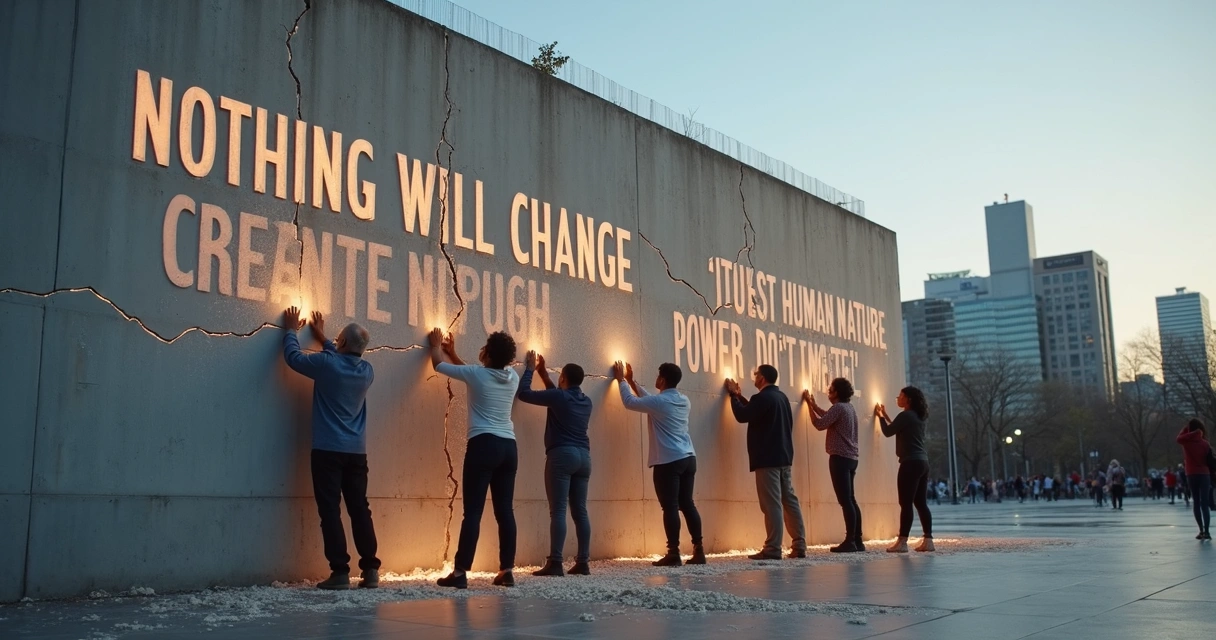


In 2026, we are not only living through change. We are living through shared loss. Communities carry grief from climate shocks, public violence, migration, burnout, loneliness, and broken trust. This grief does not stay private. It enters schools, workplaces, health systems, neighborhoods, and policy rooms.
Collective grief is becoming a public force that reshapes how societies solve problems.
We see this clearly when people stop asking, “How do we get back to normal?” and start asking, “What kind of life can hold human pain without repeating its causes?” That shift matters. It changes the purpose of innovation itself.
For a long time, social innovation was often framed as a smart fix for visible problems. In 2026, that frame feels too small. Many of the problems we face are emotional, relational, and moral before they become structural. When grief is ignored, institutions grow cold. When grief is faced, people begin to build with more honesty.
Why grief is no longer hidden
There was a time when public systems treated grief as a private issue. We think that separation is breaking down. Loss now moves fast through connected societies. A flood in one region, a school tragedy in another, a wave of layoffs, a rise in suicidality, or the slow pain of elder isolation all leave social marks.
We have seen a pattern. When many people feel the same wound, even for different reasons, they begin to question old habits. They ask why support arrives late. They ask why systems feel distant. They ask why healing is always left to the individual.
Unmet grief becomes social pressure.
That pressure can harden into anger. But it can also become a new kind of intelligence. In our view, this is where social innovation starts to mature. It stops being only technical. It becomes human-centered in a deeper sense.
In 2026, grief is more visible because of three linked shifts:
People speak more openly about trauma, mourning, and emotional strain.
Communities now expect institutions to respond with care, not only with procedure.
Digital spaces make shared pain visible in real time, even when support is still local.
These shifts do not remove pain. They make denial harder.
How grief changes the direction of innovation
When a community suffers repeated loss, new ideas often emerge from a simple realization: the old design failed to protect life, dignity, or belonging. That realization can be painful. It can also be clarifying.
Grief changes innovation by moving attention from speed and output to care, trust, and repair.
We notice this in small stories. A town loses several older residents during a heat wave. After the funerals, neighbors create a phone tree, then a local care map, then a public cooling network. What begins as mourning becomes infrastructure. The system now carries memory inside it.
Something similar happens in schools after collective loss. It is not only about adding a counselor. It can mean redesigning schedules, creating quiet rooms, training staff in emotional response, and involving families in recovery plans. Innovation grows when people admit that pain has changed the environment.
Social innovation shaped by grief often carries four traits:
It listens before it acts.
It includes those most affected in design and decision-making.
It values restoration, not only prevention.
It builds trust through repeated human contact.
This is not soft thinking. It is grounded thinking. Systems that ignore grief usually misread behavior. They call people resistant, unmotivated, or disengaged when many are simply wounded.
What social innovation looks like in 2026
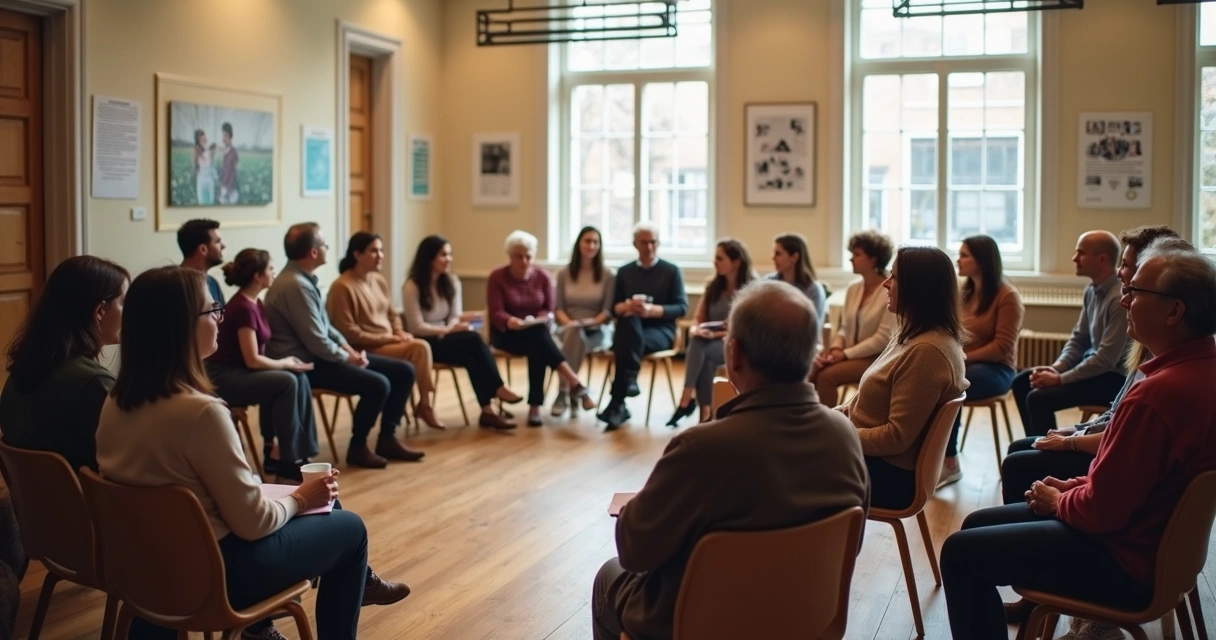
In our experience, grief-led innovation in 2026 is less about grand gestures and more about living systems that respond to real human strain. We see it in community clinics, local governments, mutual aid groups, housing design, workplace policy, and public rituals.
Some examples stand out:
Neighborhood grief hubs that combine mental health support, legal help, and peer groups in one place.
Schools using restorative circles after crisis instead of rushing back to standard routines.
Cities creating memory-centered public spaces for victims of disaster, violence, or displacement.
Employers offering bereavement models that include emotional recovery and community support, not just leave days.
Local care networks that connect isolated residents through volunteers, faith groups, and health workers.
These responses matter because they do more than manage damage. They rebuild the social field in which people live. A bench with names engraved on it may look small. Yet for a grieving neighborhood, it can become a place where memory is shared rather than hidden.
We think one of the clearest signs of 2026 is this: people no longer want innovation that only looks good on paper. They want forms of support that feel real in the body, the family, and the street.
What blocks this process
Not all grief produces wisdom. Sometimes it produces fear, blame, or numbness. When institutions rush to control the message, they often block the healing that could lead to better design.
We have seen several barriers appear again and again:
Pressure to return to normal too fast.
Public language that reduces pain to statistics.
Leadership that fears vulnerability and avoids honest acknowledgment.
Support systems that treat grief as an individual issue only.
When grief is denied, innovation becomes cosmetic.
That is why the inner quality of leadership matters. A leader who can name loss clearly creates space for collective intelligence. A leader who avoids reality often leaves people emotionally abandoned, even inside well-funded systems.
We should say this plainly. Communities do not trust repair plans if no one has first recognized the wound.

From shared pain to shared design
There is a deeper lesson here. Grief can widen moral attention. It can help people feel that another person’s pain is not separate from public life. When that happens, design changes. Policy changes. Conversation changes.
We remember hearing a local organizer say after a year of losses, “People finally stopped asking who deserved help.” That sentence stayed with us. It showed how grief had softened a hard social line. Sometimes sorrow opens a door that argument could not open.
Healing can become structure.
This does not mean pain is good. It means pain, when faced with honesty, can produce wiser forms of action. In 2026, many of the best social responses are born from communities that have decided not to waste suffering. They turn mourning into mutual presence. Then presence becomes design.
Conclusion
Collective grief is shaping social innovation in 2026 because it exposes what older systems failed to hold. It reveals where care was missing, where trust was weak, and where public life became emotionally detached. Once that truth is seen, people begin to build differently.
We believe the future of social innovation will depend less on novelty alone and more on the depth of consciousness behind each response. Solutions built without emotional truth rarely last. Solutions built with memory, dignity, and shared responsibility can help stabilize both people and institutions.
In 2026, the strongest social innovations are not escaping grief. They are learning how to carry it wisely.
Frequently asked questions
What is collective grief in 2026?
Collective grief in 2026 is the shared emotional impact of public loss across communities, institutions, and social groups. It includes grief caused by disasters, violence, displacement, loneliness, economic stress, and cultural breakdown. It is felt by many people at once and affects public life.
How does grief drive social innovation?
Grief drives social innovation by showing where old systems failed to protect people or respond with care. This can lead communities to create new support models, redesign services, and build stronger networks based on trust, healing, and inclusion.
What are examples of collective grief innovations?
Examples include neighborhood grief hubs, memorial public spaces, restorative school practices after crisis, expanded bereavement policies at work, and local care networks for isolated or vulnerable residents. These ideas turn emotional need into practical social support.
Why is social innovation important during grief?
Social innovation matters during grief because loss changes how people relate to institutions, to each other, and to daily life. New responses are needed to rebuild trust, reduce isolation, and create systems that can hold pain with dignity rather than ignore it.
How can communities support collective grief?
Communities can support collective grief by creating safe spaces for mourning, training leaders in compassionate response, involving affected people in decisions, funding local care systems, and honoring memory through public rituals or places of reflection. Small acts of presence often help as much as formal programs.